MADE IN THE U.S.A. 


MADE IN THE U.S.A.
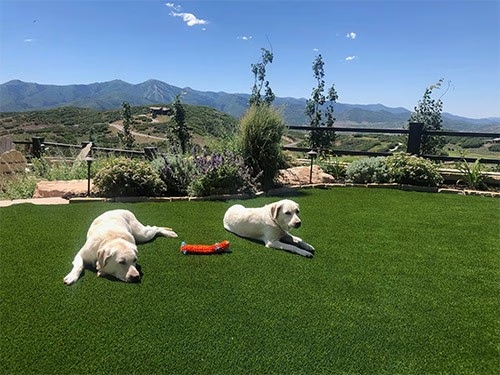
TL;DR: Cleaning dog poop on artificial grass is much easier than many pet owners expect thanks to modern pet turf drainage systems and low-maintenance synthetic grass materials. This guide explains how to clean, disinfect, and maintain artificial turf for pets while preventing odors and keeping surfaces pet safe.
What you’ll learn:
For pet owners considering synthetic turf, one of the biggest questions is how easy it is to manage dog poop on artificial grass. Many people worry about odors, stains, bacteria, and overall cleanliness before switching from natural grass to synthetic surfaces.
The good news is that modern pet turf systems are specifically designed to make cleanup easier, faster, and more hygienic than traditional lawns. With proper drainage and simple maintenance routines, cleaning up after pets on artificial grass is surprisingly straightforward.
In this guide, we’ll explain how artificial turf handles pet waste, how to keep turf clean and odor-free, and why many homeowners consider it the best artificial grass for dogs.
Traditional lawns can quickly become muddy, patchy, and discolored when exposed to heavy pet activity. Dogs running, digging, and repeatedly using the same bathroom spots often destroy natural grass, leaving behind unpleasant messes.
By contrast, high-quality synthetic grass is designed to resist wear and provide consistent drainage. It doesn’t turn brown from urine, develop mud patches, or require reseeding.
Modern pet turf systems are engineered specifically for homes with dogs and are built with drainage layers that allow liquids to pass through quickly.
Cleaning dog poop on artificial grass is generally easier than cleaning up after pets on natural lawns.
On regular grass, waste can stick to blades, sink into soil, and leave behind residue. Artificial turf creates a more controlled surface, allowing waste to sit on top rather than absorb into the ground.
In most cases, cleanup simply involves removing the waste and rinsing the area. Because the turf drains efficiently, moisture and residue are washed away much more effectively than with natural lawns.
One reason synthetic turf works so well for pets is its drainage system. Premium turf products include perforated backing that allows liquids to move through the surface rather than pooling on top.
This drainage helps minimize odor buildup and keeps the surface cleaner over time.
Without proper drainage, pet areas can develop lingering smells and bacteria accumulation. That’s why professionally installed turf systems are important for long-term cleanliness and performance.
Many homeowners ask, how to disinfect artificial grass after pets use it regularly.
Fortunately, disinfecting turf is simple. Routine rinsing with water helps remove residue, while occasional use of pet-safe cleaning solutions keeps the surface sanitary.
For deeper cleaning:
These basic artificial turf cleaning steps help maintain a fresh and hygienic environment.
Another common concern is odor. Homeowners often wonder how to get dog urine smell out of artificial grass effectively.
The key is preventing urine buildup before odors become trapped in the turf system.
Routine rinsing is usually enough for most residential installations. However, in areas with heavy pet use, enzyme-based cleaners designed specifically for turf systems can help break down odor-causing bacteria.
Unlike some harsh chemical cleaners, these products are designed to remain pet safe while effectively neutralizing smells.
Proper airflow and drainage also play a major role in preventing odors from developing in the first place.
When comparing artificial turf cleaning to maintaining natural grass, many pet owners find synthetic turf far easier to manage.
Natural lawns absorb moisture, bacteria, and waste into the soil. Mud, dead spots, and lingering odors are common issues, especially in high-use areas.
Synthetic turf eliminates many of these problems by creating a stable, washable surface.
Instead of dealing with muddy patches and damaged grass, homeowners can simply rinse and refresh the turf as needed.
Not all turf products are equally suited for pets. The best artificial grass for dogs is designed with durability, drainage, and comfort in mind.
Premium synthetic turf products offer:
Lower-quality turf may trap odors more easily or wear down faster under heavy use.
Choosing a professionally installed pet turf system helps ensure better long-term performance.
One of the biggest advantages of synthetic turf is reduced maintenance. While no surface is completely maintenance-free, caring for artificial grass is relatively simple compared to maintaining a natural lawn.
Routine turf cleaning generally involves:
This low-maintenance approach is one reason synthetic turf has become increasingly popular among dog owners.
Many homeowners also wonder whether synthetic turf is safe for pets.
High-quality turf systems designed for residential use are typically made from non-toxic, pet safe materials. They are engineered to provide a clean, comfortable environment for animals while reducing common lawn-related issues like mud and pests.
Because artificial grass does not require fertilizers or pesticides like natural grass, many pet owners see it as a cleaner alternative for their dogs.
So, is cleaning dog poop on artificial grass easy? For most homeowners, the answer is yes.
Modern synthetic grass systems are designed specifically to simplify cleanup, improve drainage, and reduce odors. Compared to natural lawns, artificial turf creates a cleaner, more manageable environment for both pets and homeowners.
With proper installation and simple maintenance routines, artificial turf cleaning becomes quick and straightforward. From managing pet waste to learning how to disinfect artificial grass, maintaining a fresh and attractive pet area is far easier than many people expect.
For dog owners looking for durability, convenience, and a cleaner yard, synthetic turf remains one of the best long-term landscaping solutions available.