MADE IN THE U.S.A. 


MADE IN THE U.S.A.
TL;DR: Proper artificial grass maintenance keeps your synthetic turf looking clean, upright, and odor-free for years. This guide explains how to clean artificial grass, manage pet areas, and follow simple routines that protect your investment and maintain a fresh, natural appearance.
What you’ll learn:
One of the biggest advantages of synthetic turf is its low upkeep compared to natural lawns. But while it doesn’t require mowing, watering, or fertilizing, proper artificial grass maintenance is still essential to keep it looking fresh, clean, and high-performing for years.
Whether you have landscape turf, sports turf, or specialized pet turf, this guide will walk you through how to clean artificial grass, prevent odors, and maintain vibrant, upright grass blades.
Although synthetic grass eliminates traditional lawn care, it still collects dust, pollen, leaves, and everyday debris. Without routine care, turf can look flattened, dull, or accumulate unwanted odors, especially in high-traffic or pet-friendly areas.
Regular grass maintenance protects your investment, extends lifespan, and preserves curb appeal.
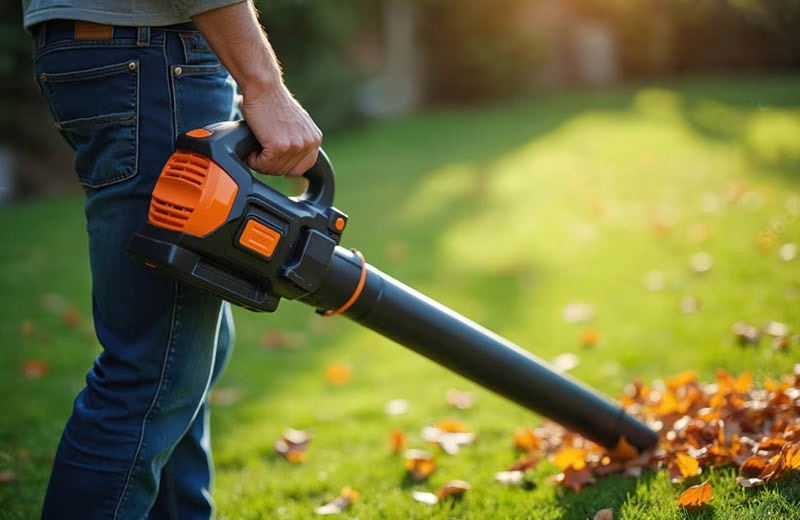
The simplest and most important step in artificial turf cleaning is removing debris regularly. Leaves, twigs, and organic material can trap moisture and create bacterial buildup if left unattended.
Use:
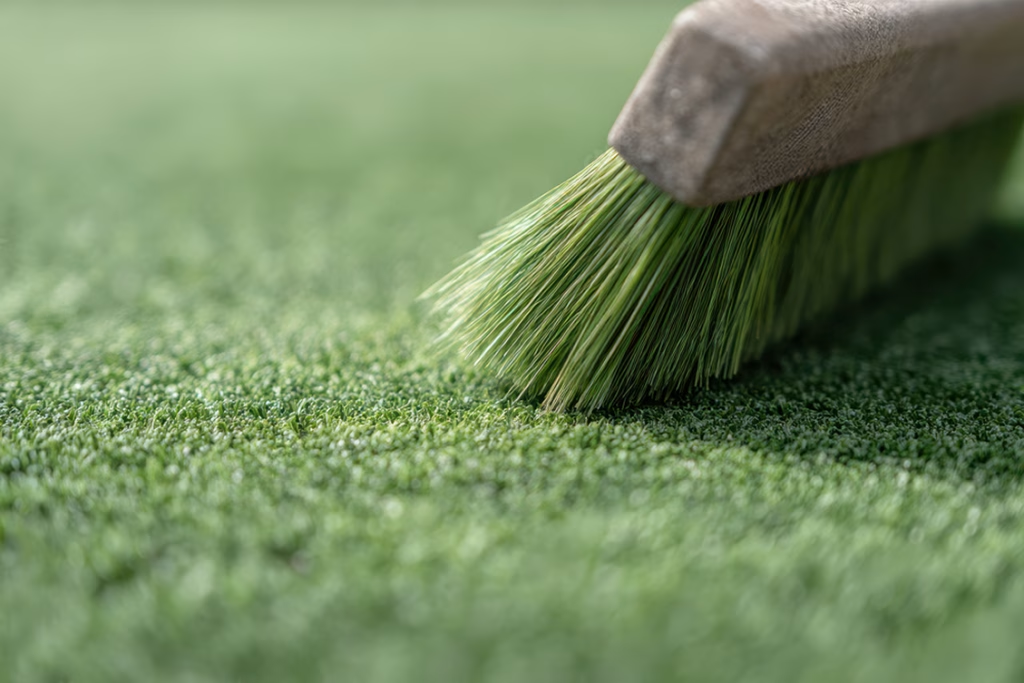
Brushing helps lift flattened grass blades, redistribute infill, and maintain the turf’s natural look.
Over time, foot traffic can cause synthetic turf fibers to lean in one direction. Monthly brushing restores structure and keeps your lawn looking full.
For proper care for artificial grass, brush against the grain to lift the fibers upright. This keeps your putting surfaces or landscape turf visually appealing and prevents compacted areas.
Knowing how to clean artificial grass is key to long-term performance. Dirt, spills, and outdoor grime can accumulate over time.
For general synthetic grass cleaning:
Routine turf cleaning like this prevents buildup and keeps synthetic grass looking bright and fresh.
If you have dogs, proper pet turf care is critical. While artificial grass is durable and pet-friendly, managing waste promptly is essential.
Pick up solid waste immediately and rinse the area.
When dealing with pet urine, regularly rinse the area to prevent odor buildup. Weekly rinsing is typically sufficient, but higher-traffic pet areas may require more frequent attention.
For stronger smells, use enzyme-based cleaners designed specifically for pet odor removal in artificial grass applications. These products break down odor-causing bacteria instead of masking it.
Proper drainage during installation also plays a big role in preventing odor retention.
Different seasons bring different challenges.
Following seasonal maintenance tips keeps synthetic turfs performing optimally year-round.
Heavy furniture, frequent foot traffic, or sports activity can compress fibers. To restore appearance:
Consistent brushing keeps grass blades upright and maintains a natural lawn appearance.
Most stains are easy to manage with quick action.
For oil-based stains, use a small amount of mineral spirits and rinse thoroughly. Always test cleaning solutions in a small area first.
Prompt cleaning simplifies synthetic grass cleaning and prevents permanent discoloration.
While artificial turf requires far less upkeep than natural lawns, scheduling occasional deep cleans helps extend longevity.
Professional artificial turf cleaning services may be beneficial every few years for:
For most homeowners, simple weekly and monthly care routines are sufficient.
Consistent artificial grass maintenance preserves aesthetics, performance, and hygiene. A clean turf surface enhances outdoor enjoyment, improves safety, and ensures your lawn continues to look new for years.
With basic brushing, rinsing, and odor control, synthetic grass remains a low-maintenance alternative to natural lawns.
Artificial grass is designed for durability and convenience, but it still benefits from routine care. By following these maintenance tips, regularly removing debris, and understanding how to clean artificial grass effectively, homeowners can enjoy beautiful, odor-free turf year-round.
Whether you have decorative landscaping, athletic turf, or pet-friendly surfaces, simple and consistent care keeps your synthetic grass looking lush, upright, and high-performing for the long haul.