MADE IN THE U.S.A. 


MADE IN THE U.S.A.
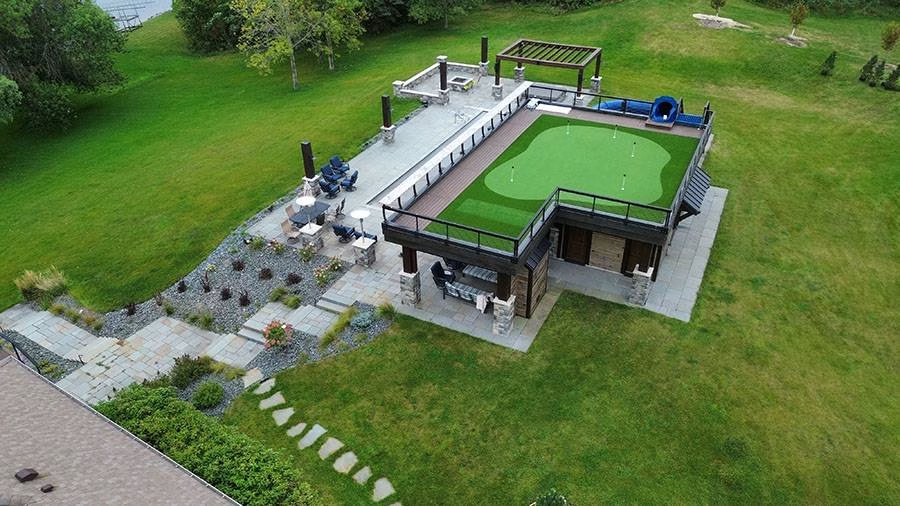
TL;DR: Installing artificial grass on concrete is a practical way to transform patios, balconies, and other hard surfaces into comfortable, low-maintenance spaces. This guide explains how synthetic turf can be installed on a concrete surface and what you need to consider for long-term performance.
What you’ll learn:
Installing artificial grass on concrete is an increasingly popular way to transform hard, unused spaces into functional and visually appealing areas. Whether you’re upgrading a balcony, patio, or commercial space, synthetic turf offers a clean, low-maintenance alternative to bare concrete.
But many homeowners ask the same question: can artificial grass be installed on concrete? The answer is yes—with the right preparation, materials, and installation approach, you can successfully install artificial grass over a concrete surface and achieve a natural, comfortable finish.
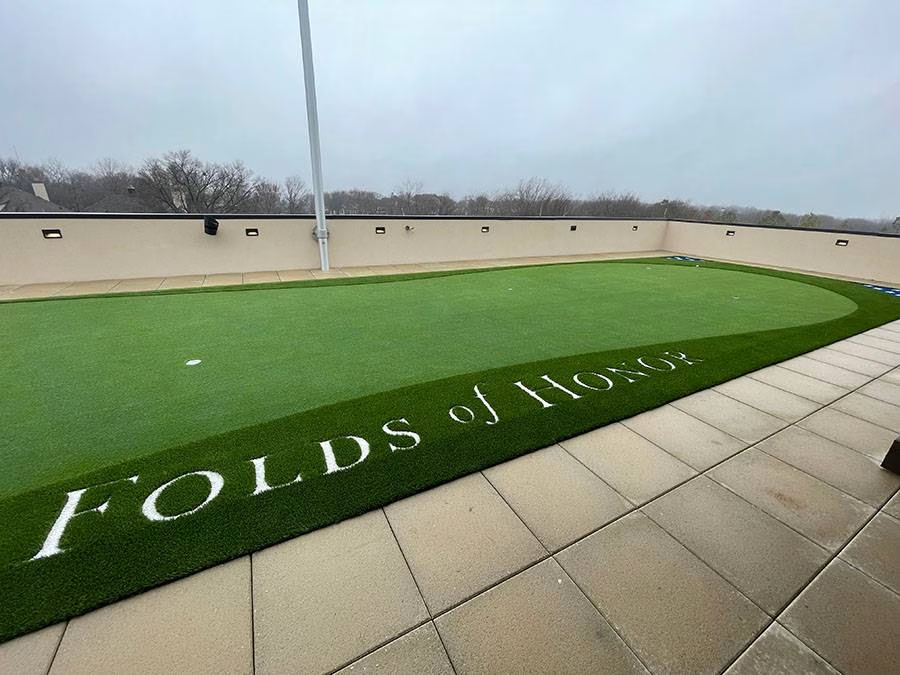
Concrete areas can feel harsh, unattractive, and underutilized. By adding synthetic grass, you can instantly soften the space and create a more inviting environment.
This approach is especially popular for:
Unlike natural grass, synthetic turf does not require soil, irrigation, or mowing, making it ideal for surfaces where traditional landscaping isn’t possible.
Yes—artificial grass installed over concrete is a common and effective solution. However, the process differs from installing turf over soil.
Since a concrete surface does not allow for natural drainage or cushioning, additional layers and preparation are needed to ensure proper performance and comfort.
Before you install artificial grass, the existing concrete must be properly evaluated and prepared.
First, ensure the surface is clean, smooth, and free of debris. Cracks or uneven areas should be repaired to create a stable base. Any sharp edges or protrusions can damage the backing of the turf over time.
Proper preparation ensures that the synthetic turf sits evenly and maintains its appearance.
One key difference when installing grass on concrete is the need for cushioning. Unlike soil installations, concrete is rigid and unforgiving.
This is where padding for artificial turf on concrete becomes essential. A foam or shock-absorbing underlayment is typically added beneath the turf to provide a softer feel underfoot.
Padding offers several benefits:
For spaces like patios or balconies, padding significantly enhances the overall experience.
Another critical factor is artificial grass on concrete drainage. Unlike soil, concrete does not absorb water, so drainage must be carefully managed.
Most synthetic grass products are designed with perforated backing that allows water to pass through. However, the underlying concrete must also allow water to flow away from the surface.
If the area already has a slight slope, drainage may occur naturally. If not, installers may need to:
Proper drainage prevents water buildup, odors, and long-term damage.
Installing artificial grass on concrete involves a few key steps that differ from traditional installations.
Typical installation steps include:
Each step plays a role in ensuring the turf performs well and looks realistic.
Synthetic turf works exceptionally well in areas where natural grass is impractical. From residential to commercial spaces, it provides versatility and visual appeal.
Common applications include:
These applications allow homeowners to maximize usable space while maintaining a polished appearance.
One of the biggest advantages of installing synthetic grass is its low maintenance requirements.
Unlike natural lawns, there’s no need for mowing, watering, or fertilizing. Routine care typically includes:
Because the turf sits on a concrete surface, maintenance is often even simpler than traditional installations.
While installing turf over concrete offers many benefits, it’s important to understand both advantages and limitations.
Artificial grass provides a visually appealing solution that transforms hard surfaces into comfortable, usable areas. It reduces maintenance, eliminates the need for watering, and creates a soft, green environment year-round.
Without proper padding, the surface may feel firm. Drainage must also be addressed carefully to prevent water pooling. Professional installation helps ensure these factors are handled correctly.
Choosing to install artificial grass on concrete depends on your goals and the space you’re working with. If you’re looking to upgrade a balcony, patio, or hardscape area, synthetic turf offers a practical and attractive solution.
By addressing key factors like padding for artificial turf on concrete and artificial grass on concrete drainage, you can create a surface that is both functional and comfortable.
Installing artificial grass on concrete is a smart way to enhance outdoor spaces that would otherwise go unused. With the right preparation and materials, you can achieve a natural look and feel while enjoying the durability and convenience of synthetic turf.
Whether you’re adding artificial grass on patio areas or upgrading a small artificial grass on balcony space, this solution offers a versatile, long-lasting way to bring greenery into your environment—without the challenges of traditional lawn care.