MADE IN THE U.S.A. 


MADE IN THE U.S.A.
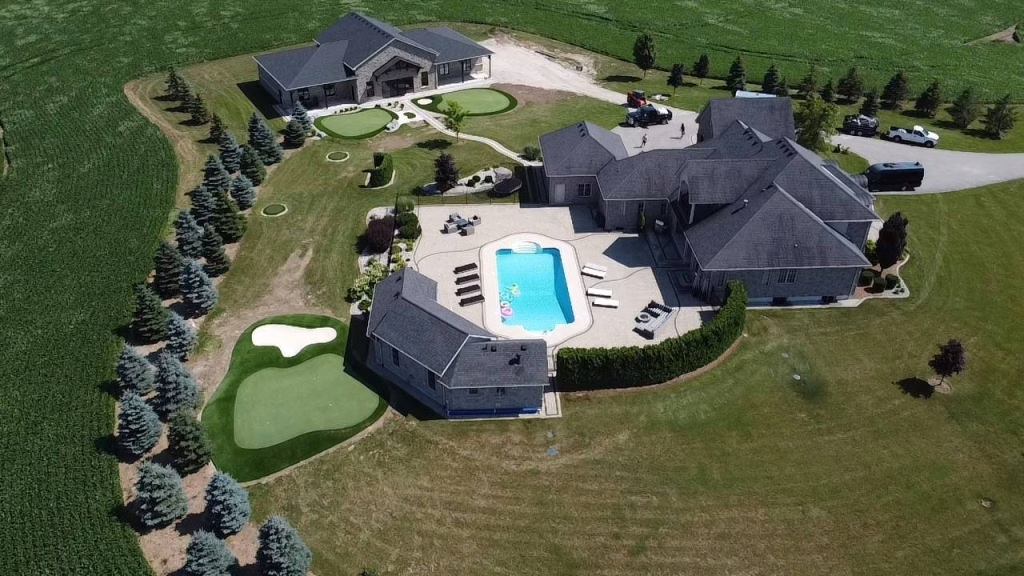
TL;DR: Choosing between artificial turf vs real grass comes down to performance, cost, and maintenance. This guide compares turf vs grass to help serious golfers understand which option delivers better long-term value, durability, and consistency for practice areas and backyard greens.
What you’ll learn:
For serious golfers, the quality of your practice environment can make a significant difference in performance. Whether you’re building a backyard putting green or a full short-game area, one of the most important decisions is choosing between artificial turf vs real grass.
Both options offer unique advantages, but they differ greatly in terms of cost, durability, maintenance, and long-term value. Understanding the differences between turf vs grass helps you make the right choice for your goals and lifestyle.
At first glance, natural grass may seem like the obvious choice for authenticity. After all, most golf courses use natural grass as their primary playing surfaces. However, maintaining that same level of performance at home is far more difficult.
Modern synthetic grass has advanced significantly, offering realistic ball roll, consistent speed, and predictable conditions. Unlike natural grass, synthetic surfaces remain stable regardless of foot traffic or environmental changes.
Real grass, on the other hand, can vary daily depending on mowing height, moisture levels, and weather. For golfers who value consistency, this variability can impact practice quality.
When evaluating artificial turf vs grass cost, it’s important to look beyond the initial installation price.
Natural grass often appears more affordable upfront, but ongoing grass maintenance cost quickly adds up. Expenses may include irrigation systems, fertilizers, pest control, mowing equipment, and professional landscaping services.
Artificial turf typically requires a higher initial investment, but it eliminates many recurring costs associated with traditional golf greens.
Key cost considerations include:
Over time, many homeowners find that artificial turf offers better long-term value due to reduced maintenance and consistent performance.
One of the biggest differences in the artificial turf vs real grass debate is the level of maintenance required.
Natural grass demands constant attention. Regular mowing, watering, fertilizing, aerating, and weed control are all part of standard golf green maintenance. For golfers, maintaining a smooth and consistent putting surface adds another layer of complexity.
Artificial turf simplifies the process. While there are still artificial turf maintenance requirements, they are far less demanding.
Routine care for synthetic turf typically includes brushing, occasional rinsing, and debris removal. Compared to natural grass, this maintenance is minimal and far less time-consuming.
Durability is a critical factor for serious golfers who plan to practice frequently. Areas used for putting, chipping, or repeated drills experience constant foot traffic and repeated ball contact.
Natural grass is vulnerable to damage in high traffic areas. Over time, repeated use leads to thinning, patchiness, and uneven surfaces. This type of wear and tear can negatively impact playability and require ongoing repairs.
In contrast, artificial turf durability is one of its biggest advantages. Synthetic surfaces are engineered to withstand heavy use without losing their structure or performance.
Even with daily practice, artificial turf maintains a consistent look and feel, making it ideal for golfers who want reliable conditions.
Weather plays a major role in the turf vs grass decision. Natural grass is highly sensitive to changing weather conditions, including heat, cold, rain, and drought.
Excessive rain can lead to muddy surfaces, while extreme heat may cause grass to dry out or become brittle. Seasonal changes can limit how often you’re able to practice.
Artificial turf eliminates these concerns. Synthetic surfaces perform consistently in all weather conditions, allowing for year-round use.
For golfers who want uninterrupted access to their practice area, this reliability is a major advantage.
A common concern is whether synthetic turf can truly replicate the feel of natural grass. Today’s high-quality turf systems are designed to closely mimic real putting surfaces.
Advanced materials provide realistic ball roll, proper speed, and consistent feedback. While natural grass may still offer slight variations, many golfers prefer the predictability of synthetic turf.
This consistency allows players to focus on technique rather than adjusting to changing conditions.
Another important factor in the artificial turf vs grass comparison is environmental impact.
Natural grass requires significant water usage, chemical treatments, and energy for maintenance. These factors contribute to higher resource consumption over time.
Artificial turf reduces water usage and eliminates the need for fertilizers and pesticides. While installation has its own environmental footprint, long-term resource savings can be substantial.
Choosing between turf vs grass ultimately depends on your priorities.
For many serious golfers, artificial turf offers a more practical and performance-driven solution, especially for at-home practice.
The choice between artificial turf vs real grass comes down to balancing performance, cost, and convenience. While natural grass offers authenticity, it requires significant time and financial investment to maintain.
Artificial turf provides a durable, low-maintenance alternative that delivers consistent results, making it an excellent choice for dedicated golfers.
If your goal is to create a reliable, high-performance practice area that helps you improve your game, synthetic turf offers a compelling solution—combining modern technology with long-term value.